 Helsingborg Hub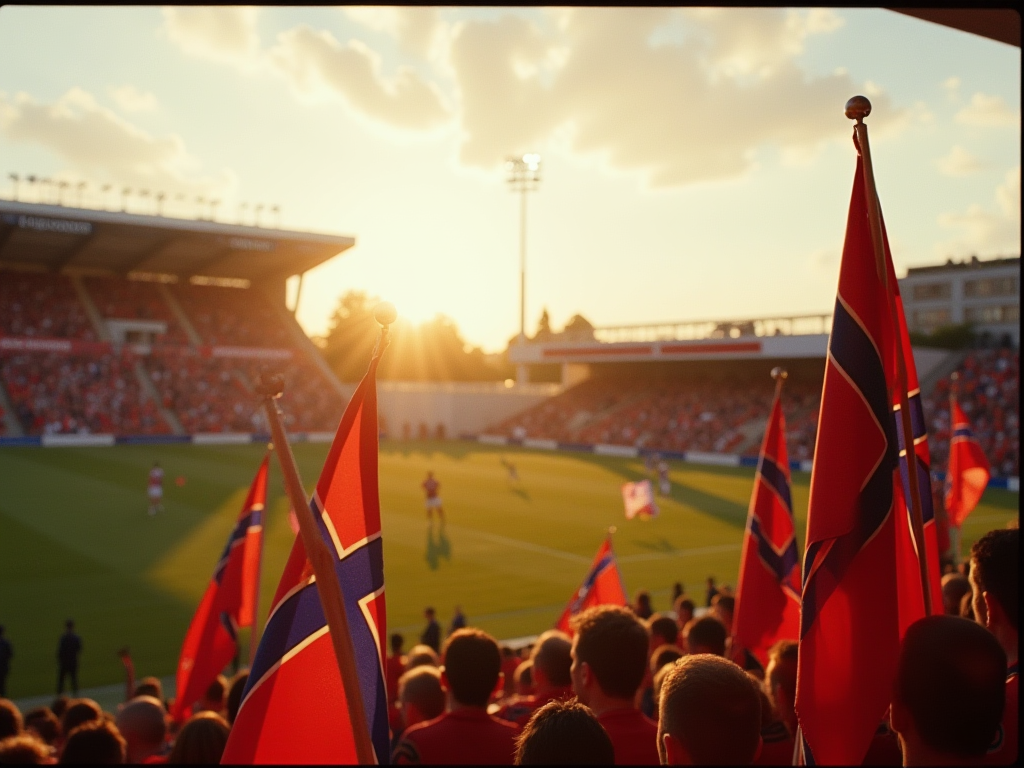
The year was 1941, a time when Sweden was engulfed in the shadows of World War II, yet in the midst of global turmoil, Helsingborgs IF (HIF) emerged victorious in the Swedish championship. This triumph was not just a testament to the club's on-field prowess but also a symbol of hope and unity for the people of Helsingborg during turbulent times.
The 1941 season was fraught with challenges, both on and off the pitch. As the world grappled with war, HIF showcased an unwavering spirit, displaying resilience that resonated deeply within the community. Under the guidance of coach Nils "Nisse" Rydström, the team adopted a style marked by tactical discipline and a never-say-die attitude, characteristics that would become synonymous with the club's identity.
HIF's squad that season featured a blend of seasoned veterans and promising young talents. Players like goalkeeper Sune Brolin and forward Håkan "Hasse" Lindström became household names, not only for their skills but for their embodiment of the club's fighting spirit. Their performances captured the hearts of fans and provided a much-needed distraction from the harsh realities of the outside world.
The final match of the season was held at the iconic Olympia Stadium, a venue that would later be etched into the club's lore. Facing off against their rivals, the atmosphere was electric. Fans packed the stands, their voices echoing in support, a true testament to the community's unwavering belief in their team. The match itself was a hard-fought battle, filled with moments of brilliance and sheer determination.
When the final whistle blew, it marked not just the end of the match, but the beginning of a legacy for HIF. The players celebrated on the pitch, hoisting the championship trophy aloft, a symbol of their hard work and dedication. This victory was pivotal, as it laid the groundwork for future successes and instilled a sense of pride in the supporters, many of whom had faced personal struggles during the war.
The impact of the 1941 championship extended far beyond the pitch. It became a rallying cry for the citizens of Helsingborg, a source of joy and a reminder of resilience in the face of adversity. The club's success fostered a strong sense of community, bringing people together despite the challenges surrounding them.
In the decades that followed, the spirit encapsulated in that championship season would continue to inspire HIF players and fans alike. The stories of determination and teamwork from that era are passed down through generations, often shared in the stands of Olympia during matches today.
As we reflect on Helsingborgs IF's rich history, the 1941 championship serves as a poignant reminder of what can be achieved through unity, perseverance, and passion. It stands as a defining moment that shaped not only a football club but also a community that has remained steadfast in its support for HIF through thick and thin.