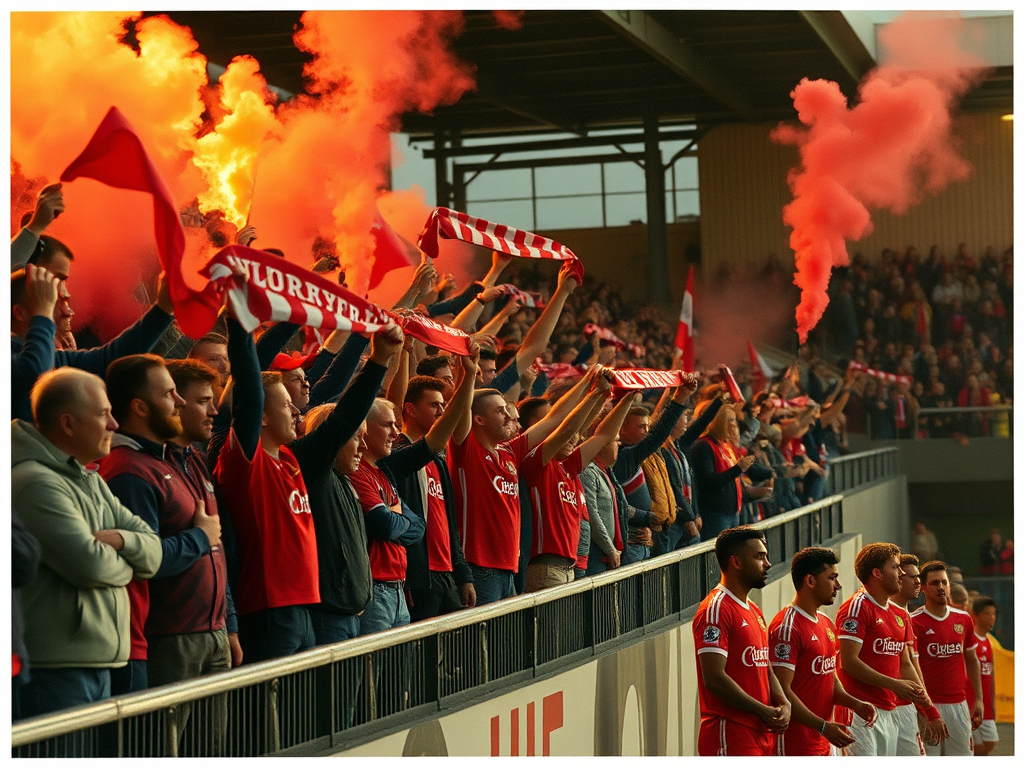
 Helsingborg Hub
Helsingborgs IF, affectionately known as HIF, has displayed flashes of brilliance in their recent outings, yet there exists an opportunity to refine their tactical approach for more consistent performances. A deep dive into their current form suggests that while the foundation is strong, a few strategic tweaks could be the difference in securing vital points as the league progresses.
Current Tactical Setup
HIF has primarily utilized a 4-2-3-1 formation, which has allowed for a balanced approach between defense and attack. The double pivot in midfield, comprising two robust and mobile players, provides a solid shield for the backline while also facilitating transitions. However, this setup often leads to a congested midfield, especially against teams that press high, resulting in a lack of fluidity in the build-up play.
One of the main challenges observed in recent matches has been the team's inability to break through opposition lines effectively. The attacking midfield trio has sometimes found themselves isolated, with the wide players pinned back and the central playmaker struggling to connect with the forwards. This isolation can be mitigated by implementing a more dynamic positional rotation, encouraging the midfielders to interchange roles and create confusion among the opposition's defensive setup.
Suggested Tactical Tweaks
1. Adjusting the Midfield Structure: To enhance offensive fluidity, HIF could consider transitioning to a 4-3-3 formation. By introducing an additional midfielder, the team can maintain better possession and control in the center of the pitch. This change would allow one of the central midfielders to push forward, providing additional support to the attacking line while ensuring that there’s always an option in midfield to recycle possession.
2. Utilizing Width Effectively: The full-backs play an essential role in HIF's attacking strategy, yet their contributions can be further maximized. Encouraging the full-backs to overlap with wingers creates space and stretches the opponent's defense, allowing for more crossing opportunities or cutbacks into dangerous areas. This tactic not only provides width but also allows the wingers to cut inside, creating mismatches against central defenders.
3. Pressing and Defensive Cohesion: Defensively, while HIF has shown resilience, a more coordinated pressing strategy could improve their ability to regain possession higher up the pitch. Implementing a zonal pressing system, where players are assigned specific zones to pressure rather than marking man-to-man, could lead to quicker turnovers and transition opportunities. The forward line should be instructed to press as a unit, forcing opponents into hurried decisions and creating chances from defensive mistakes.
Conclusion
The tactical landscape of HIF's recent performances reveals a team that has the potential for greater success with minor adjustments. By re-evaluating their midfield structure, effectively utilizing width, and enhancing their pressing game, Helsingborg can build on their recent form and position themselves as serious contenders in the league. As they aim to reclaim their spot among the top teams, embracing these tactical tweaks could provide the necessary edge in the upcoming fixtures.